✦ Buying, cost and process
Business process improvement: fixing the process before buying software
Business process improvement means looking honestly at how work actually gets done and fixing what's broken, before deciding whether new software is even the answer. Skip this step and software just makes a bad process faster.
Haystak · 12 August 2026 · Updated 12 August 2026 · 8 min read
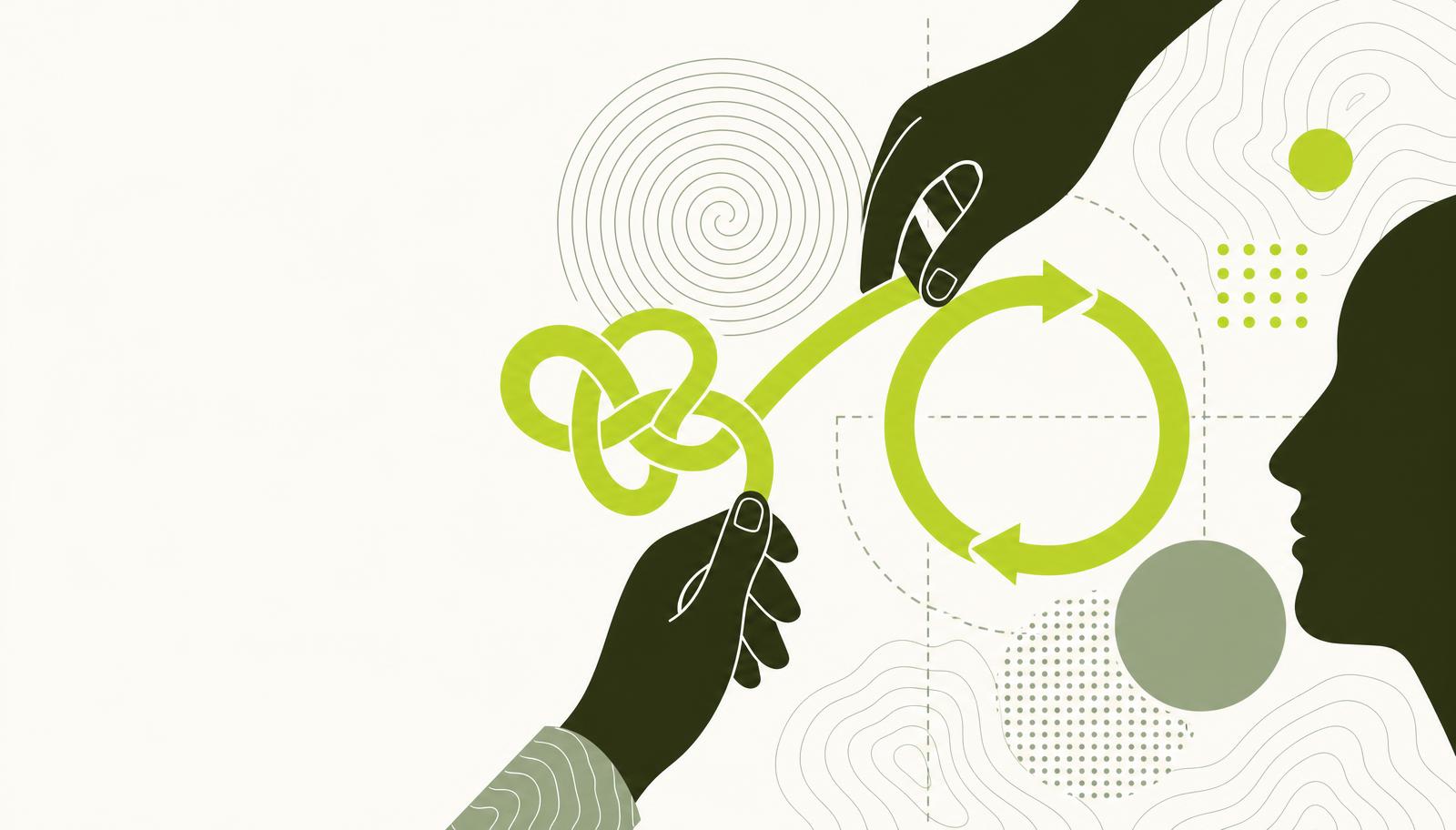
Business process improvement is the discipline of examining how work actually happens - not how it's supposed to happen on paper - and removing the steps, handoffs and delays that don't add value, before deciding what tools or systems should support it.
It's tempting to treat new software as the fix for a slow or frustrating process. Often it isn't. A process with unnecessary approval steps, duplicated data entry or unclear ownership will still be slow in a new system, just slow with a nicer interface. Improvement comes first; software choice comes second.
Why software alone rarely fixes a bad process
New systems are good at automating steps and removing manual re-keying, but they can't decide that an approval step is unnecessary, or that two departments are duplicating the same check. Those are process decisions, and they need to be made deliberately, by people who understand why the step exists in the first place - or discover that nobody actually knows.
This is why business process mapping usually comes first: you need to see the process as it actually runs before you can judge which parts of it are worth keeping.
What good process improvement looks like
| Step | What it involves | What it reveals |
|---|---|---|
| Map the process as it actually runs | Walk through it with the people doing the work, not just the documented version | Gaps between policy and reality |
| Identify waste | Delays, duplicated effort, unnecessary approvals, manual re-entry | Where time and effort are genuinely lost |
| Question each step | Ask what would happen if this step didn't exist | Steps kept out of habit rather than need |
| Prioritise fixes | Rank by effort versus impact | Which changes are worth making first |
| Redesign | Agree the new version of the process, roles and handoffs | A process that's actually simpler, not just faster on paper |
| Decide on tooling | Only now ask what software or automation supports the new process | Whether existing tools suffice or a new system is genuinely needed |
Common sources of waste worth checking first
- Re-keying the same data into more than one system because they don't talk to each other.
- Approval chains with more sign-offs than the risk or value of the decision actually warrants.
- Work waiting in someone's inbox or in-tray for review, with no visibility of how long it's been sitting there.
- Exceptions handled entirely from memory, with no consistent rule, so outcomes vary depending on who deals with it.
- Reports built manually from several sources because no single system holds the full picture.
Several of these point directly at a lack of integration between existing systems rather than a genuine process flaw. If that's what turns up, systems mapping is the natural next step, since it shows exactly which systems are involved and where the manual bridging happens.
Prioritising what to fix first
Not every inefficiency is worth fixing immediately. Weighing each one by how much effort it would take to fix against how much time, cost or frustration it currently causes gives a sensible order. A five-minute policy change that removes an unnecessary approval step is worth doing before a six-month system project, even if the system project would deliver more overall.
- 01List every inefficiency found during mapping, without judging them yet.
- 02Score each on effort to fix and impact if fixed.
- 03Do the low-effort, high-impact fixes immediately - these rarely need new software at all.
- 04Group the larger, structural issues to consider together, since they often share a common cause.
- 05Only then decide whether a new system, an integration, or automation is the right response to what's left.
When the answer genuinely is new software
Process improvement sometimes concludes that the current tools are the actual limiting factor - a spreadsheet that can't handle the volume, a system with no way to route approvals, or three disconnected tools that need a single source of truth. That's a legitimate outcome, and it's a much stronger basis for choosing software than starting from a vendor demo, because you're buying against a process you've already improved rather than papering over one you haven't examined.
If you've already mapped your process and want to see whether automation can genuinely remove the manual steps left over, that's exactly what business process automation is for. Get in touch and we'll look at your process honestly, including telling you if automation isn't the right answer yet.
✦ Where this fits
More on this from us: business process automation.